Statements & Publications from our Alliance
Healthy Water Healthy Future (October 2019)
-
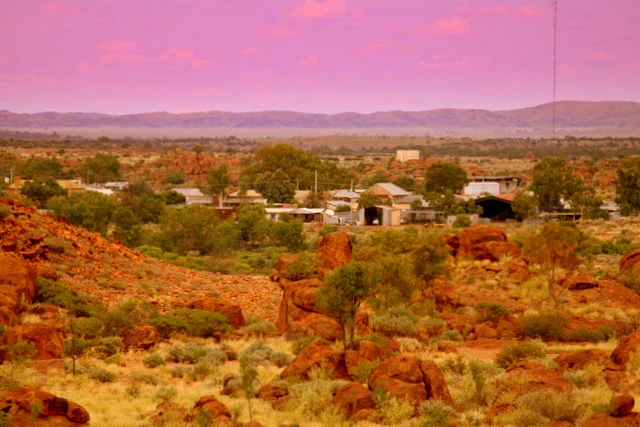
Lake Eyre (Kati Thanda) is one of the world’s greatest desert river basins and it is currently under threat from a range of development pressures. The Lake Eyre Basin Traditional Owners Alliance (The Alliance) are standing together to co-develop and manage the waterways, floodplains and ground waters of the Lake Eyre (Kati Thanda) basin for future generations.
Co-development is a model that when embraced can bring government and industry closer to us, and closer to understanding the problems that need to be delivered with greater impact, which leads towards the aspirations of this group. Therefore, we extend an invitation for you to meet with us.
The Lake Eyre Basin Traditional Owners Alliance will facilitate and coordinate multiple agencies and industries participation to tackle the diverse challenges that we face in protection of our inherited obligation for the river systems.
The Alliance will reposition ourselves and assert our collective authority and offer a disruptive model of change for government, industry and stakeholders to evolve with us.
We now work in multiple jurisdictions, to assert our cultural knowledge that our waterways must stay free flowing since time immemorial.
Our aim is to provide greater opportunities for The Alliance to engage in new partnerships and strengthen relationships with government, industry, stakeholders, and community.
The Alliance will collaborate on the priorities raised by Lake Eyre Basin language groups, with government and industry, to transform the landscape, sparking a new, innovative approach in protecting our river ways and water.
We are the First Government of Australia. Our grandmothers, grandfathers, and ancestors were the first lore/law makers of the land, fire, water, sky and underground. We do not want the rivers to be in chains like our ancestors before us.
In essence, we acknowledge and continue to support the Tibooburra Resolution (2011) and the ‘Our Water, Our Future Statement (2019)’
Lake Eyre Basin Traditional Owner Alliance Mission Statement 2025
-
We are the Traditional Owners of the LEB
We are the guardians of the cultural and natural environment of the LEB – guardians or keeper of the culture and stories
We are connected to the cultural authority holders for the LEB
We want all future generations to enjoy the LEB as a resilient and thriving ecosystem
Our Objectives
1.We are a connected and strong collective of members who have the authority to speak for the Country we represent
2.We engage with industry, government and interest groups to ensure Traditional Owners are in the driver’s seat of decisions about the future of the LEB and its waterways
3.We collaboratively advocate for the culturally sensitive management of the LEB as a whole of system - grounded on research, lore, customs and values of the Traditional Owners of the LEB.
Decision Impact Analysis - Lake Eyre Basin 2025
-
1. Science and Management Projects carried out in the LEB
Allow transfer of information across the Basin
Share outcomes and learnings
Increase the communication of progress and outcomes
lists of project work to be published, distributed and updated
2. Extractive Industries and Groundwater (esp. Coal Seam Gas)
Fully funded Rivers Assessment (LEBRA), including:
− groundwater
− consultation and participation of communities, Traditional OwnersReliable, updated information system with public access
High level of recognition of risks associated with extractive industry
3. Traditional Ecological Knowledge
Share and teach Traditional Ecological Knowledge using new technology and on-country, on-ground activities
Respecting and honouring → consultation/networking
LEB or National policy on Traditional Ecological Knowledge and Water Research
4. National Centre for Aboriginal Water Research
Link western science to Traditional Ecological Knowledge
Integrate into national policy agenda to ensure policy outcomes for all
Consider groundwater and surface water as a connected resource
Provide credible evidence to support/raise profile of cultural knowledge to inform/guide national and state and territory policy
Aboriginal water allocations — to provide water for cultural, social, economic purposes determined by Aboriginal people
5. Cultural water and land management plan, LEB Authority — Sustaining the effort
Co-management of LEB – e.g. through a unified management authority for the Basin – support current LEB Ministerial Forum initiative
Dual leadership/management by Aboriginal people and community — including a power of veto over unwanted development
Tied to an Action Plan:
be outcome oriented
bring solutions to problems
6. Wild Rivers Declaration
The LEB Aboriginal Forum calls on the Queensland Government to:
Declare the Cooper Creek, Georgina and Diamantina Rivers as Wild River Areas under the Wild Rivers Act.
Commit resources for Traditional Owner Rangers in the three river basins under its policy to deliver 100 Indigenous Wild River Rangers; starting with 5 rangers (including ranger coordinators) for each of the three river basins – 15 Indigenous rangers in total.
Support and resource an Aboriginal organisation which reflects their governance structure to oversee the Wild Rivers Rangers program within the Cooper Creek, Georgina and Diamantina Rivers for the Aboriginal Traditional Owners of these water systems.
Incorporate water allocations under each Wild River declaration for Aboriginal water allocation for Traditional Owners to decide its use.
Maintain the Aboriginal heritage and cultural landscapes of the three Wild River areas, by supporting management in accordance with the Aboriginal traditions and customs for the areas. (Joint Management)
Exclude coal seam gas and shale gas projects, along with other mining and resource extraction, from the High Preservation Areas and Special Floodplain Management areas; and regulate coal seam gas and shale gas activities in the Preservation Areas.
Ensure sustainable pastoral activity in the Wild River areas by committing Land Protection Officers to monitor and restrict overstocking.
Call on the South Australian/New South Wales/Northern Territory Governments to support the protection of the LEB region with a commitment to a Wild River type legislation.
Our Water Our Future Statement (April 2019)
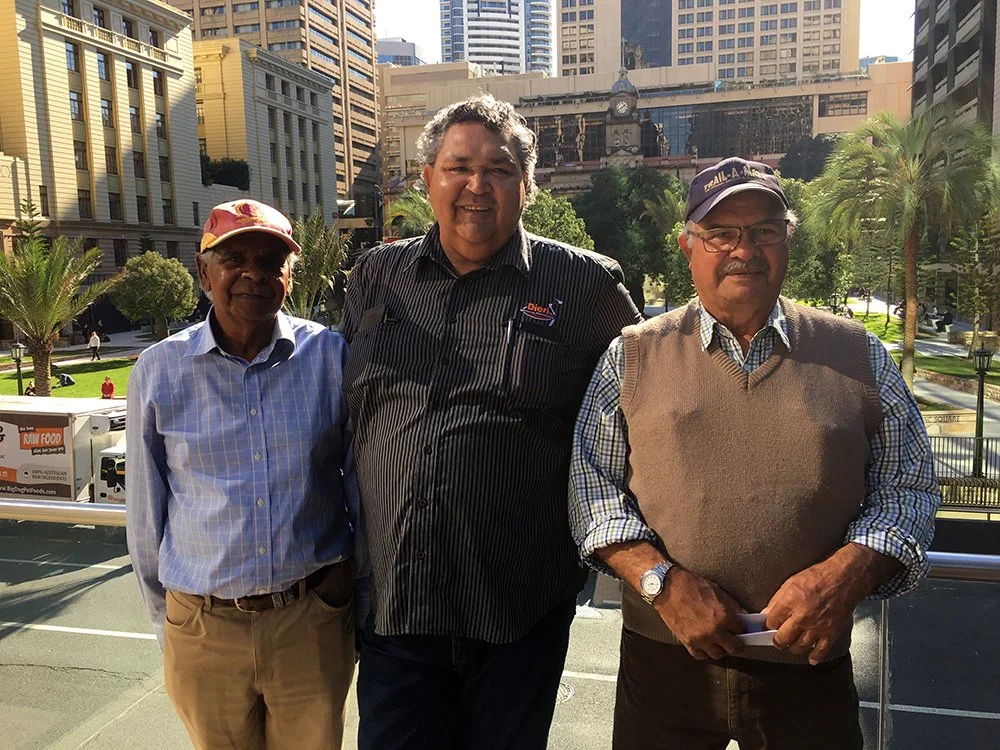
On April 9th and 10th, 2019 representatives from a number of Traditional Owner groups throughout the Kati Thanda-Lake Eyre Basin came together in Brisbane to discuss caring for their traditional lands, rivers and waterways.
We, as Traditional Owners of the country and waters of the Kati Thanda-Lake Eyre Basin acknowledge the Tibooburra resolution (2011) and have come together again to deliver this shared statement.
-
We, as Traditional Owners of the country and waters of the Kati Thanda-Lake Eyre Basin acknowledge the Tibooburra resolution (2011) and have come together again to deliver this shared statement.
For the Traditional Owners, caring for country is more than a matter of economic prosperity, it is a sacred and ancient traditional responsibility carried forward from mother to daughter, father to son and includes social, environmental, and cultural considerations. Traditional people live by the seasons and think of country as their mother and of water as the sacred lifeblood, keeping them connected through hunting, fishing, and ceremonial practices. We are kept strong and understand our culture by connecting to the stories and songs that live in our country, and through them continue to observe our own traditional lore, customs, cultural boundaries and obligations.
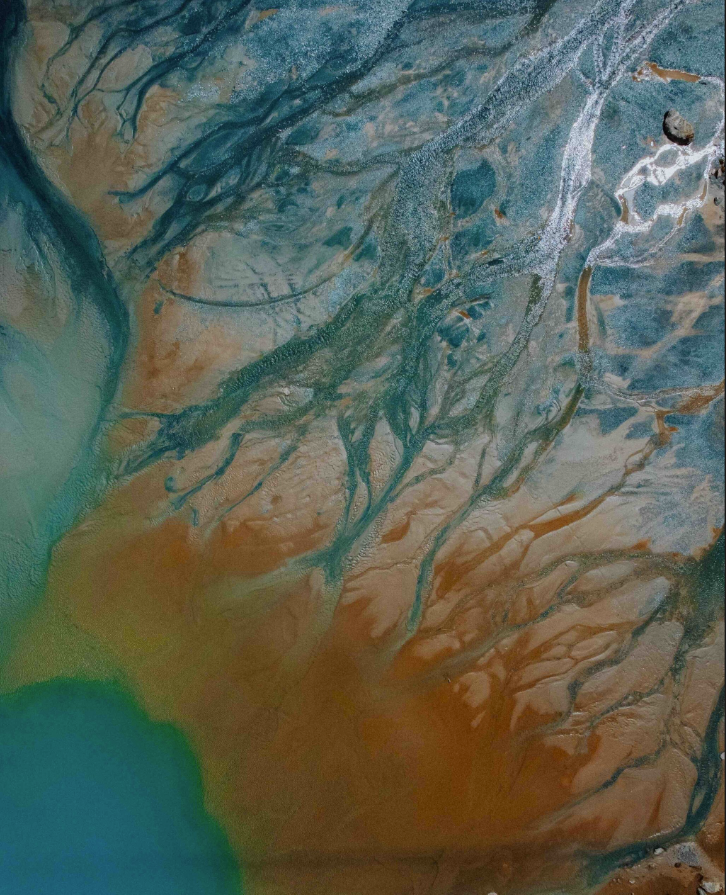
Kati Thanda-Lake Eyre Basin is one of the world’s greatest desert river basins and it is currently under threat from a range of development pressures. Kati Thanda-Lake Eyre Basin Traditional Owners are standing together to protect and manage the waterways, floodplains and groundwaters of the Kati Thanda-Lake Eyre Basin for future generations.
Representatives from eight Traditional Owner groups of Kati Thanda-Lake Eyre Basin who attended this Gathering have united to:
Recognise the Tibooburra Resolution (2011) and voice our support for restoring strong legislative protections to Queensland’s Channel Country rivers (Cooper Creek, Georgina and Diamantina rivers and tributaries) and floodplains including excluding unconventional gas (coal seam, tight, and shale gas) mining and other mining and resource extraction from the river and floodplain areas
Support Traditional Owners to assert our cultural authority across the Kati Thanda-Lake Eyre Basin
Recognise and assert our collective cultural continuity through sharing and learning our traditional stories and connecting to country for current and future generations across the Kati Thanda-Lake Eyre Basin Honour our responsibility and obligation we collectively have to the country and water over our traditional lands – Kati Thanda-Lake Eyre Basin.
Establish a Kati Thanda-Lake Eyre Basin Task Force to lead the establishment of a peak body (terms of reference, structure, membership etc)
Work towards the establishment of a Kati Thanda-Lake Eyre Basin Peak Body to be endorsed by Kati Thanda-Lake Eyre Basin Traditional Owners to:
Engage with and support Traditional Owners in protecting country and waterways in relation to our specific cultural authority and knowledge of the lands where we live and practice traditional culture.
Lead engagement with stakeholders, governments and Kati Thanda-Lake Eyre Basin Traditional Owners on management decisions that are affecting our country and waterways within Kati Thanda-Lake Eyre Basin.
To develop position statements on Traditional Owner governance and management arrangement for the Kati Thanda-Lake Eyre Basin that includes irrigated agriculture, overgrazing, vegetation and feral pest management, mining, petroleum, and unconventional extraction methods such as fracking across the entire Kati Thanda – Lake Eyre Basin.
To collaborate, guide and negotiate with governments and stakeholders to fully resource state and/or federally funded Indigenous Rangers in the Kati Thanda-Lake Eyre Basin to deliver cultural, social, economical and environmental benefits for Kati Thanda-Lake Eyre Basin and its people in accordance to their cultural obligations to county.
Notes:
The Task Force is a temporary body nominated at the gathering to drive further engagement with Traditional Owners of the Kati-Thanda Lake Eyre Basin in the establishment of a peak body to be nominated and endorsed at a later date.
The intended Peak Body will not represent individual Traditional Owner groups in relation to their traditional rights to land/ Native Title rights – authority to speak for country always remains with the traditional owners of that land.
Tibooburra Resolution (2019)